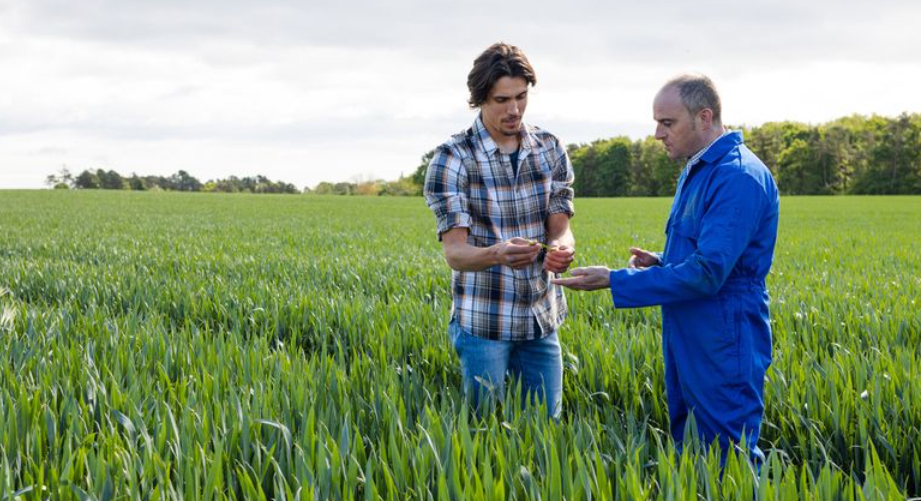
How Biotech Is Transforming Medicine and Agriculture
Biotechnology is reshaping the landscape of both medicine and agriculture through advancements in gene editing and synthetic biology. These innovations facilitate the development of targeted therapies that improve patient outcomes while enhancing crop resilience to environmental challenges. As the world grapples with food security and healthcare demands, the implications of these biotechnological advancements warrant careful examination. What are the potential long-term effects on individual health and global sustainability?
Advancements in Gene Editing and Its Impact on Medicine
How has gene editing revolutionized the landscape of modern medicine?
CRISPR technology has emerged as a groundbreaking tool, enabling precise modifications of genetic material. This innovation paves the way for advanced gene therapies aimed at disease prevention, yet it raises significant ethical considerations.
Balancing scientific progress with moral responsibility remains imperative as society navigates the transformative potential of gene editing in healthcare.
See also: How AI Tutors Are Personalizing Student Learning
The Role of Synthetic Biology in Developing Targeted Therapies
As synthetic biology continues to evolve, it plays an increasingly vital role in the development of targeted therapies that address complex diseases at the molecular level.
Through the design of gene circuits, researchers can create synthetic vaccines that precisely stimulate immune responses.
This innovative approach enables tailored treatments, enhancing efficacy while minimizing side effects, ultimately empowering patients with more effective therapeutic options in the fight against diseases.
Biotech Innovations in Crop Resilience and Food Security
While global populations continue to rise and climate change presents unprecedented challenges, biotechnology is emerging as a pivotal force in enhancing crop resilience and ensuring food security.
Innovations in genetic engineering promote crop diversity, enabling plants to withstand environmental stresses. This approach not only bolsters agricultural productivity but also advances food sustainability, providing solutions to feed a growing world amidst changing climatic conditions.
The Future of Personalized Medicine and Sustainable Agriculture
The integration of biotechnology into both personalized medicine and sustainable agriculture is poised to revolutionize how healthcare and food production systems operate.
Personalized treatment strategies will enhance patient outcomes, while sustainable farming practices will optimize resource use and minimize environmental impact.
This dual advancement signifies a future where individual health and ecological balance coexist, fostering a harmonious relationship between human needs and the planet’s resources.
Conclusion
As a gardener nurtures diverse plants to create a vibrant ecosystem, biotechnology cultivates a new era in medicine and agriculture, harmonizing human health with environmental stewardship. By harnessing the power of gene editing and synthetic biology, we sow the seeds of targeted therapies and resilient crops, ensuring a bountiful future. This intricate dance between innovation and nature promises to yield not only enhanced patient care and food security but also a sustainable world for generations to come.